
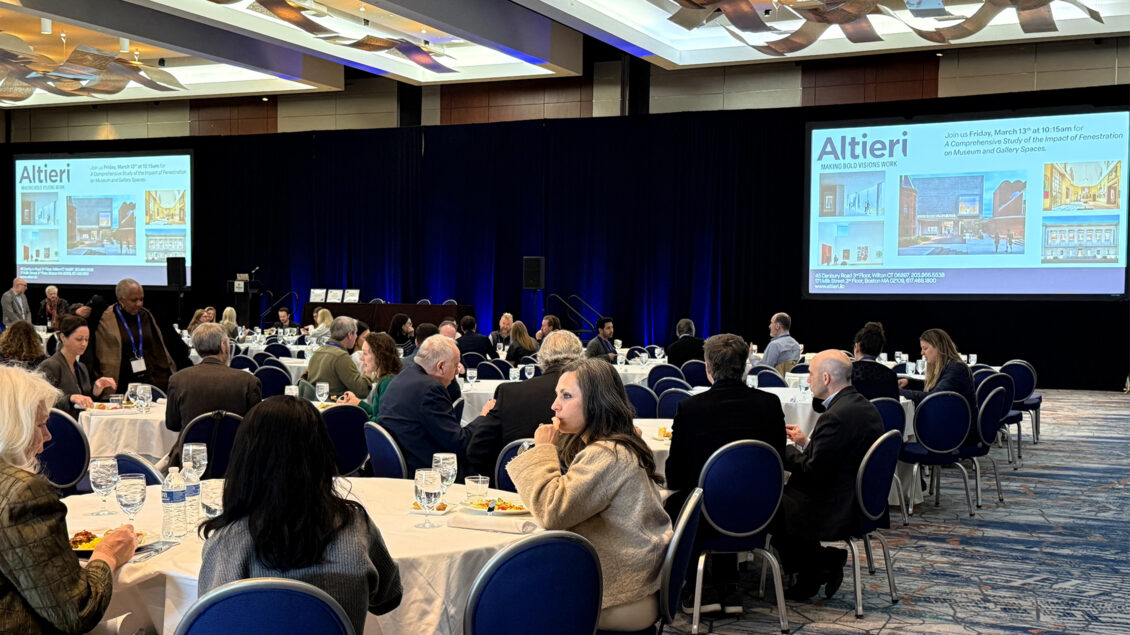
Altieri was a Luminary Sponsor of the 2026 Mid-Atlantic Association of Museums Building MuseumsTM Symposium. This event brings together architects, museum executives, planners, project managers, technical specialists, and other professionals involved in designing or carrying out new builds, renovations, restorations, or expansions for museums. It is widely regarded as one of the most prominent and successful annual gatherings in the field.
This year’s Building Museums™ Symposium consisted of meeting new people, connecting with old friends, sponsoring the First Time Attendees reception, and presenting at two different sessions. The opportunity to meet and learn from our industry colleagues in such a meaningful way never disappoints.
Rob Louth, PE, RCDD, CTS, ECSE, joined Susan Wertheim, RA (National Gallery of Art), Tony Warner (Phase Shift Consulting), and Eli Kuslansky (Unified Field) for the Plenary Session, Get Smart! An aspirational look at intelligent building system design to further mission, focused on intelligent building systems and their impact on how museums function, engage visitors, and plan for the future.
Aaron Martin, PE, LEED AP, joined Azadeh Rashidi (Schulhof Rashidi Architects), Paula Martinez-Nobles (Fisher Marantz Stone), and James Gainforth (James R. Gainfort AIA Consulting Architect PC) for the breakout session, A Comprehensive Study of the Impact of Fenestration on Museum and Gallery Spaces, to talk about the vital role windows and glazing play in a building’s architectural expression, daylighting, ventilation, and energy performance.
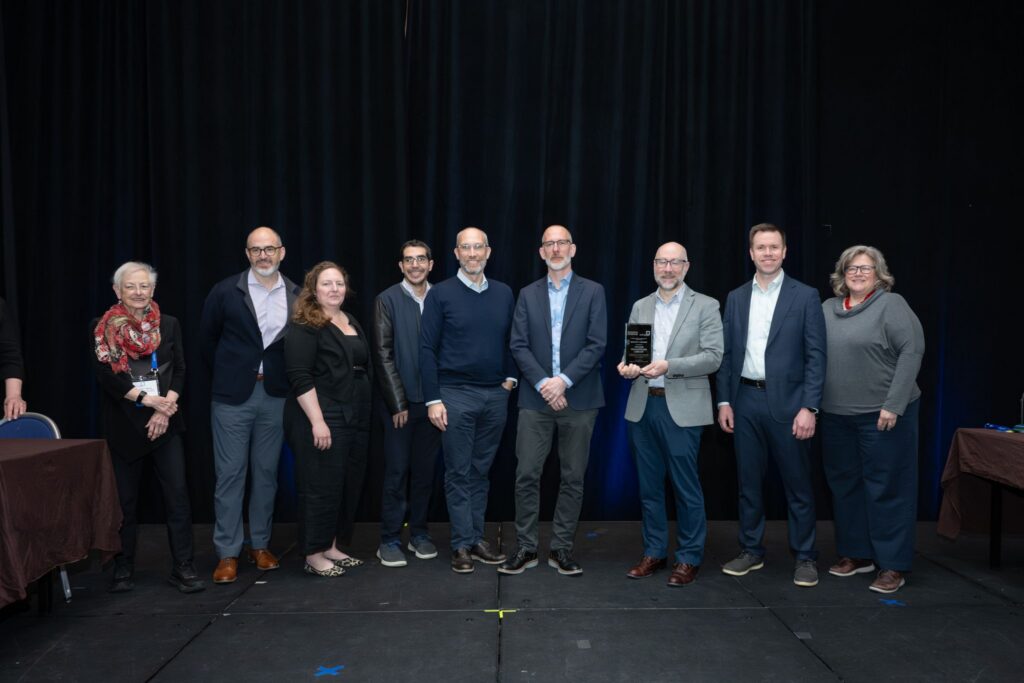
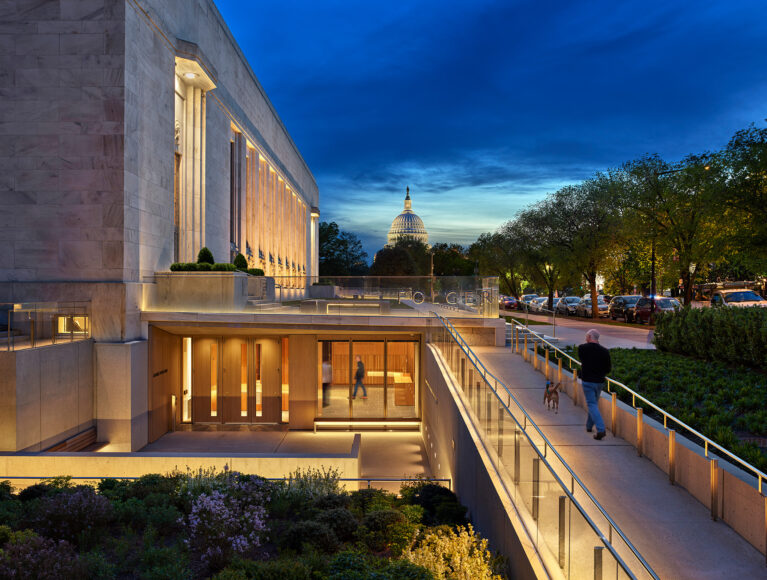
In addition to the presentations, Altieri was excited to be a part of the team accepting the 2026 Buildy Award for Folger Shakespeare Library! A Buildy Award is MAAM’s highest recognition for completed museum building projects, honoring institutions that demonstrate “exemplary leadership in planning, design, and construction, and achieve transformational organizational impact after project completion.” The Folger was selected for its seamless integration of historic preservation, architectural innovation, and enhanced public accessibility – highlighted by the first permanent exhibition of all 82 copies of Shakespeare’s First Folio.