
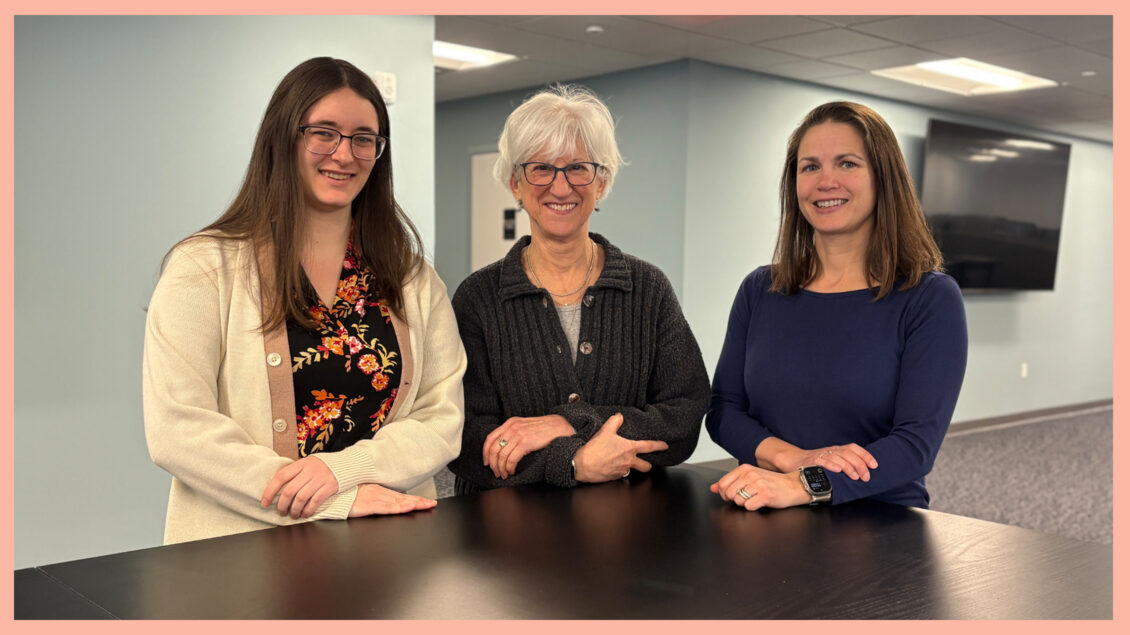
To explore how careers, collaboration, and expectations have evolved over time, we asked 3 women of different generations to reflect on their journeys into the workforce, the support they’ve found along the way, and what they hope the future holds. Read Part Two here!
Meet our women:
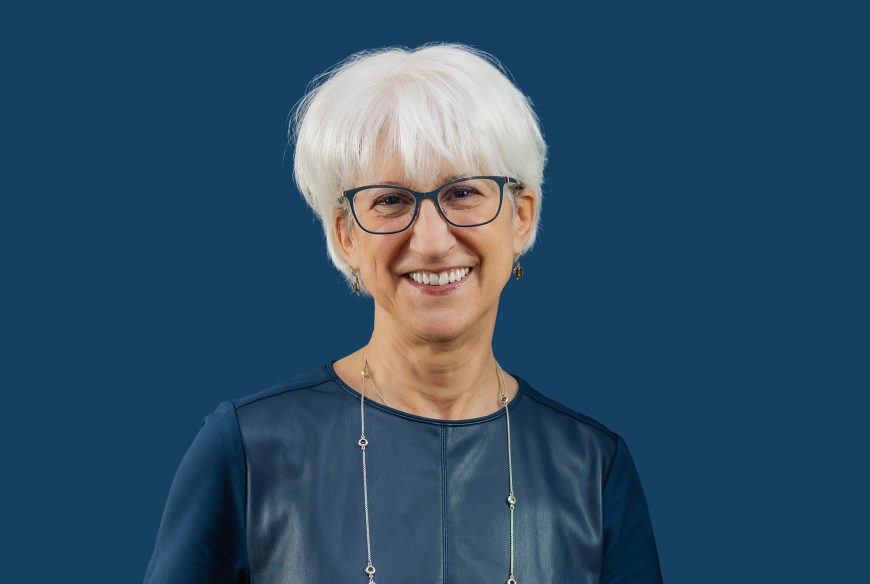
Susan Fisher Plotner, Baby Boomer, began her career in 1980, after graduating from Brown University.
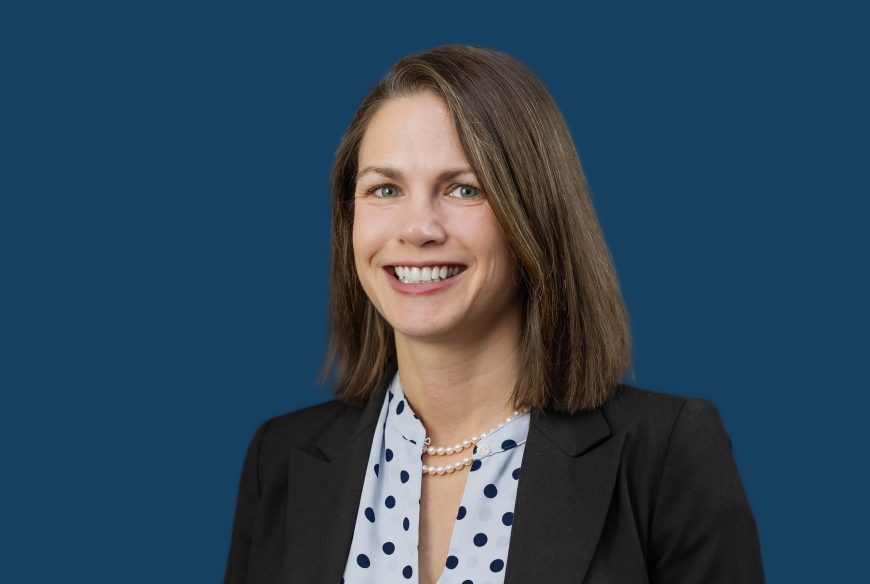
Kristen Butts, PE, Millennial, began her career in 2006 after graduating from The Pennsylvania State University.
Alexa Fiorica, Gen Z, began her career in 2023 after graduating from Fairfield University.
What was your experience like after graduating college and finding a job?
Susan: Back in 1980, the process I experienced was pretty similar to what it is today. Companies were on campus for career fairs and interviews. My challenge was deciding what to pursue.
Kristen: I found Altieri while attending a career fair at my college. It was pretty straightforward.
Alexa: I remember feeling really pressured during my senior year of college hearing about friends applying for and getting full-time roles. I thought that if I didn’t start looking immediately (which at this point was around February), I wouldn’t find anything after graduating. After applying to around 50 positions, with the majority ghosting me, I started replying to random text messages asking for interviews with employers that had nothing to do with engineering (most of which were likely scams). And even those roles never got back to me, even after multiple rounds of interviews! Around April, on a whim I went to an IEEE meeting with an Altieri woman engineer presenting the work that they do. I had fully intended to just sit in the back and listen in; I did not think attending would land me an interview. At first, I wasn’t too sure, but after interviewing with Kari, seeing Revit models, the impressive photos on the office walls, and meeting the dog that was in the office that day, I was blown away by how the work all comes together. After my interview, I was thrilled to be offered a job at Altieri.
What messages did you hear growing up? Were you taught that women could Have any job?
Susan: My mother worked full-time at IBM as a Systems Analyst when she graduated from college in 1951, until she became pregnant. She went back to work full-time in a new career as a junior high school librarian when I was in 6th grade. She had a third career with Bank Street College of Education after she retired from her librarian job (after 30 years). So yes, it was crystal clear to me and to my siblings that women worked and had careers right alongside men. My dad worked at home his entire working life as an artist (Pulitzer Prize winning painter/illustrator), so he was one of the first WFH parents!
Kristen: I was told I could be anything I wanted to be if I worked for it. My father was an engineer, so it was easy for me to see myself as an engineer.
Alexa: Yes! Pretty often actually. My mom graduated college with a degree in Computers with maybe 10% of that class being women, so she was always very big on female empowerment (I got lectured a lot). She also put me through the TARGET program at Rutgers to expose me not only to engineering, but other women interested in the field as well. It wasn’t just my mom either, I had teachers growing up that pushed me to be the best I could. From my 6th grade teacher Mrs. Sandvik teaching me to take my life and school seriously to my Trigonometry teacher Mrs. Villani further encouraging me to pursue a degree in Engineering. I’m really lucky I had so many positive influences on me growing up.
From the start of your career to now – what would you say about the way men and women collaborate in the workplace?
Susan: The majority of women I worked with (at two major corporations – Citibank and American Express) were exceedingly capable and strong but were invariably in the shadow of men. Women in senior positions worked harder and spent more of their time navigating the politics of being a woman in a corporate environment – men did not have to do this. I would say we worked in parallel more than collaboratively. Today, workplaces do better making the most of the strengths of diverse populations.
Kristen: Throughout my career I have seen women sometimes overlooked in group settings, however when tasks are assigned, I have found that I can always count on a woman to deliver, where men sometimes need reminders before following through.
Alexa: I do think that women tend to gravitate toward other women, and men to other men. I remember walking into my first Calc class as an engineering major and saw there were two sides of the classroom with a walkway down the middle. The professor came in and said, “Wow, all the men sat on one side of the room, and all the women are sitting on the other.” I think at a very baseline level, women understand other women a bit better, and men understand men, but I don’t think it’s enough to make a huge difference overall.
Continued in Part Two.